

For nearly four years, I worked as an Electric Vehicle Program Manager for a large utility. At almost every event, I’d hear the same statement “I wish I could afford that car.”
I’m pleased to tell you that you can. The photo above is the 2017 Chevy Bolt. It travels 238 miles on a charge, and costs around $28,000 (with the $7500 federal tax credit included). The reviews are coming in very favorable – with brisk acceleration, copious interior room, and solid handling.
The Tesla Model 3 (below) will be out at the end of 2017. Tesla is advertising $35,000 and 215 mile range (this car is eligible for a $7,500 federal tax credit, but once a manufacturer sells 200,000 cars, the tax credit goes away – so plan on $35,000 since they have over 400,000 pre-orders). It will have an all wheel drive option. Meaningful deliveries will start in early 2018. 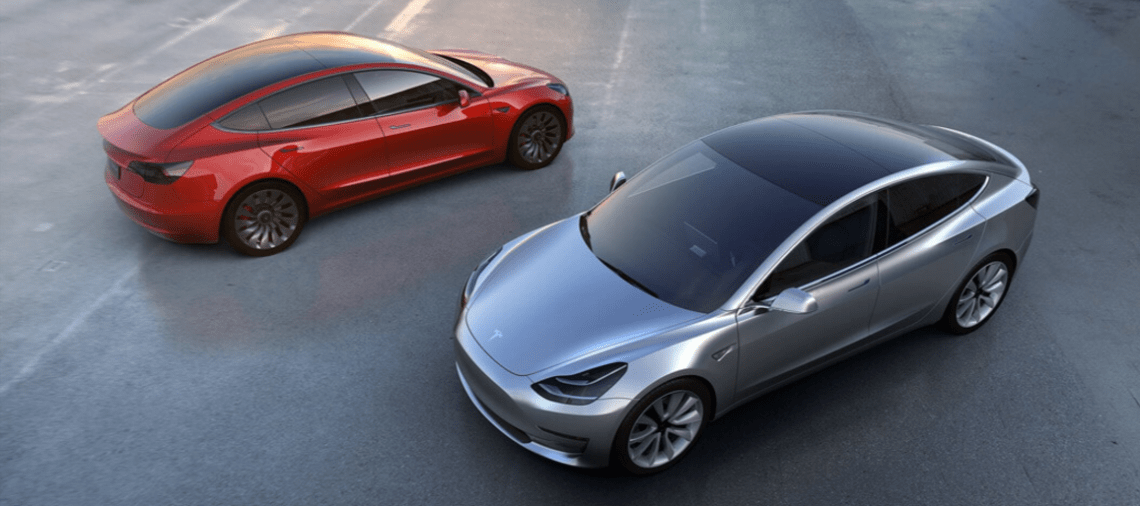
So you can’t afford a new vehicle? No problem. Did you know you can purchase a used Nissan Leaf for around $9,000? In moderate climates, a Leaf is typically good for 60-70 miles of real world driving. What if you parked your large SUV or truck, buy a Leaf and drive it on your daily commute – then use the truck for the heavy lifting on the weekends?
Remember to consider the total cost of ownership for your vehicle. Charging your car will cost you around $30-$40 per month (if you drive the typical 12,000 mile per year). This is roughly like getting $1/gallon gas. In comparison, a 30MPG vehicle burning $3 gas will cost you $100/month. Don’t forget that EVs don’t require oil changes (or virtually all other maintenance except tire rotation & windshield fluid).
Having not regularly driven a gas powered car since 2012, getting gas and oil changes has become virtually a thing of the past. Once you stop doing it, you realize how much you didn’t enjoy that part of car ownership.

 Let's Fix This Planet